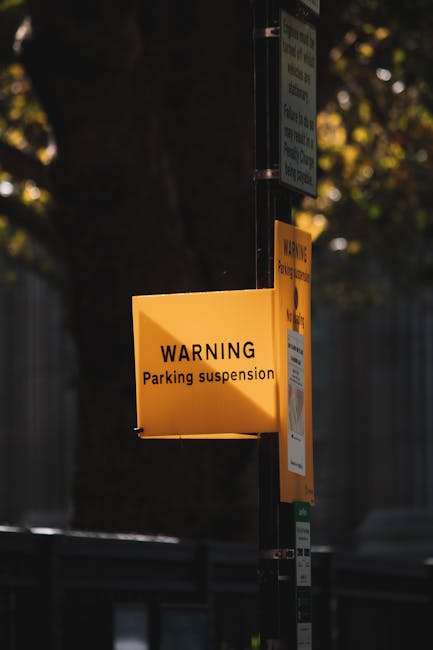
Eastcote parking restrictions Hillingdon Council removals: a practical guide for a smoother moving day
Moving in Eastcote can be straightforward on paper, then suddenly awkward once you are faced with a yellow line, a tight bay, a resident permit zone, or a van that is a little too large for the street. That is why Eastcote parking restrictions Hillingdon Council removals is such a useful topic to understand before the first box is lifted. If you are planning a house move, flat move, office relocation, or even a same-day job, the parking side of the move can make or break the schedule. A few minutes of preparation can save a lot of faffing around later.
In this guide, we will walk through how parking restrictions around Eastcote affect removals, what Hillingdon Council decisions usually mean in practice, and how to plan a removal day that feels calm rather than chaotic. We will also look at permits, access issues, loading considerations, and the small details people often miss until the van is already outside. Truth be told, those small details are the ones that usually cause the biggest headache.
Table of Contents
- Why it matters
- How it works
- Key benefits and practical advantages
- Who this is for and when it makes sense
- Step-by-step guidance
- Expert tips for better results
- Common mistakes to avoid
- Tools, resources and recommendations
- Law, compliance, standards, or best practice
- Options, methods, or comparison table
- Case study or real-world example
- Practical checklist
- Conclusion
- Frequently asked questions
Why Eastcote parking restrictions Hillingdon Council removals Matters
Parking is not just a convenience on moving day. In Eastcote, it can shape the whole move. If a removal van cannot stop close enough to the property, the team may need to carry items further, work in smaller loads, or wait while space becomes available. That creates delays, extra effort, and sometimes extra cost. It also adds stress, and moving day already has enough of that.
For many Eastcote properties, especially along busier routes or near junctions, the space outside the door may be limited by resident bays, waiting restrictions, single yellow lines, or loading rules. A road that feels quiet at 8 a.m. can become surprisingly busy by mid-morning. You might also have neighbours, school traffic, or commuter parking to contend with. It is one of those things you only really notice when a van is involved.
This matters even more if your move includes bulky furniture, fragile items, or a time-sensitive delivery window. If your removals team has to double-park or park around the corner, the whole process can become more stop-start than it should be. Planning around parking restrictions is not overcautious. It is simply sensible.
If you want a broader overview of local moving support, the services overview is a useful place to start, especially if your move needs more than just a van and a couple of boxes.
How Eastcote parking restrictions Hillingdon Council removals Works
At street level, the process is fairly simple: you identify where the van can legally stop, check whether there are time-based restrictions, and then plan the loading and unloading around that space. In practice, there are a few moving parts, and they matter.
Hillingdon Council controls many of the parking arrangements that affect removals in Eastcote. That may include resident permit zones, loading bays, waiting restrictions, and suspended spaces. Not every street works the same way, so it is always a street-by-street conversation rather than a one-size-fits-all answer. What applies in one part of Eastcote may be completely different two roads over.
A removal day usually works best when the plan is made well before the van arrives. That plan should cover where the vehicle will stand, how long it will be there, whether access is blocked by traffic or parked cars, and whether anyone needs to help manage the doorway or stairwell. If you are moving into a flat, the access route matters just as much as the parking spot itself. The best-laid plans, as they say, can still trip over a badly parked car.
It helps to think in stages:
- Check the parking situation for both the current and new address.
- Confirm whether stopping, waiting, or loading restrictions apply.
- Allow time for the van to reach the property and manoeuvre safely.
- Decide whether a smaller vehicle, more labour, or a timed delivery window would help.
- Build in a buffer for traffic, school runs, or unexpected road clutter.
For Eastcote moves with tighter access, it can also help to read local guidance like removals near Eastcote Tube Station access and delays or small flat removals on Field End Road. Those kinds of pages are useful because access issues often repeat from one move to the next.
Key Benefits and Practical Advantages
Getting the parking side right gives you more than just a legal-looking setup. It improves the whole rhythm of the move.
- Less wasted time: the crew spends less time circling the block or waiting for space.
- Safer handling: shorter carrying distances mean fewer chances of knocks, trips, or strained backs.
- Better scheduling: once the van has a clear stopping point, arrival and loading become much easier to manage.
- Lower stress: you are not trying to solve parking and packing at the same time, which, let's face it, is rarely a good idea.
- More predictable costs: fewer delays usually means a cleaner removal process and fewer avoidable complications.
There is also a quieter benefit that people often underestimate: confidence. When you know the van has a sensible place to stop, everything feels more controlled. That matters when you are juggling keys, children, neighbours, pets, and a pile of boxes that seem to breed overnight.
For homeowners, renters, students, and businesses alike, the practical advantage is the same. Good parking planning makes the move feel orderly. It also pairs well with other preparation steps such as packing for your house move and reducing moving stress.
Who This Is For and When It Makes Sense
This is relevant to almost anyone moving in or out of Eastcote, but some people will benefit more than others.
- House movers: especially if you have sofas, wardrobes, beds, or appliances to move.
- Flat movers: because flats often combine parking restrictions with stair access and tighter walkways.
- Students: often moving at busy times, with smaller loads but very little room for error.
- Office movers: where timing matters and loading space outside the premises may be limited.
- People arranging same-day removals: because there is usually less room for last-minute fixes.
It also makes sense for anyone who lives near busier Eastcote roads, tube-related traffic, or a location where parking is already contested. If you have ever watched someone sit in a car with hazard lights on while everyone else silently hopes they move on, you already know the kind of situation we mean.
For smaller or more complex moves, the right vehicle and service style matter too. You might find man and van Eastcote, man with van Eastcote, or flat removals Eastcote more suitable than a larger, less flexible setup.
Step-by-Step Guidance
If you want a smoother moving day, follow a simple sequence rather than trying to solve everything on the morning.
1. Check the street conditions at both addresses
Look at the road layout, bay markings, yellow lines, and any signs that may limit stopping times. Do this for both the pickup and delivery address. A short walk down the street is often enough to spot whether parking will be awkward.
2. Decide where the van can safely stop
You are looking for a place that keeps the walk short without blocking traffic or risking a penalty. Sometimes this will be directly outside. Sometimes it will be a few doors away. Sometimes it will be the only practical space on the street. That is still workable if you plan for it.
3. Match the vehicle to the access
A larger removal van is useful for volume, but not every Eastcote road likes a big vehicle. Narrow streets, tight turns, and limited turning space can make a smaller vehicle or a split-load approach easier. If you are unsure, removal van Eastcote options can help you think through the fit.
4. Time the move around local activity
School traffic, commuting patterns, weekend visitors, and bin days can all affect parking. Even 20 minutes can make a difference. Early starts often help, although not everyone enjoys being up at the crack of dawn. Fair enough.
5. Protect the loading route
Inside the property, clear hallways, remove obstacles, and make sure the front door can be opened fully. Outside, keep the route free from trip hazards and loose items. If there are stairs, measure awkward corners before moving day. This is especially helpful for larger furniture.
6. Prepare your belongings properly
Packing well reduces time spent standing around with the van waiting. If items are boxed, labelled, and ready to go, the team can work quickly and safely. A practical guide like package your items and wait for us to come can help if you prefer a more hands-off setup.
7. Build in a fallback plan
Sometimes the first parking option is gone by the time the van arrives. Have a second choice in mind. If needed, agree in advance whether the team should pause, continue with smaller loads, or use an alternative access point.
Expert Tips for Better Results
A few small decisions can make Eastcote parking and removals feel much easier.
- Book earlier than you think: parking-sensitive moves do not like last-minute planning.
- Use descriptive access notes: mention narrow roads, permit zones, height restrictions, cul-de-sacs, or limited loading bays.
- Think about the heaviest items first: if a piano, freezer, or bulky wardrobe is involved, you may need closer vehicle access than you would for a light-box move.
- Keep bulky items apart from loose clutter: the removal team should be able to move without weaving around bags and odd-shaped bits.
- Confirm timing twice: a clean schedule is often more valuable than an extra pair of hands, especially in a tight street.
In our experience, the most successful moves are the ones where the client gives honest access details up front. Not polished details. Honest ones. "There is usually one free space, but it disappears by 9:30" is much more useful than a vague "parking should be fine."
If you want additional support for specific items, it is worth reading moving a piano professionally or furniture removals Eastcote so you can plan access around the awkward things first, not last.
Common Mistakes to Avoid
Most parking-related moving problems are avoidable. The pattern is usually the same: someone assumes the road will be clear, or assumes a short stop is harmless, and then the move gets slower than expected.
- Assuming loading rules are the same everywhere: they are not. Eastcote streets can differ significantly.
- Forgetting the delivery address: people often plan the pickup well and then overlook the new place entirely.
- Leaving too many items loose: this makes the handover slower and messier.
- Not checking stair turns and front-door clearance: a sofa can be perfectly fine in a van but still awkward at the entrance.
- Starting too late: midday moves often collide with more traffic and less parking availability.
Another common mistake is treating parking as separate from the rest of the move. It is not. Parking affects labour, timing, safety, and morale. If the van is a long way from the door, everyone feels it.
There is also a budget mistake hidden in plain sight. People sometimes focus on the headline removal price and ignore the practical details that can make the day cost more in time and effort. A useful read here is avoiding hidden charges in Eastcote quotes and the real cost of cheap removals in Eastcote.
Tools, Resources and Recommendations
You do not need a complicated toolkit to prepare for parking-sensitive removals. Simple is usually better.
- Printed notes or a phone memo: for access instructions, gate codes, and parking observations.
- Measuring tape: helpful for doorways, stairs, and bulky furniture.
- Labels and marker pens: saves time when items need to be loaded in order.
- Photos of the street or entrance: useful if the route is hard to describe.
- Moving checklist: keeps the parking plan tied to the rest of the move.
If you are moving items into storage, it can also help to think about packing and stacking in advance. There are some useful related resources on storage Eastcote, packing and boxes Eastcote, and decluttering before moving.
If your move involves a freezer, sofa, mattress, or anything that needs special handling, preparation pays off. A freezer left full or a sofa left uncovered can create avoidable stress. There is a practical guide on storing your freezer safely and another on protecting sofas in storage.
Law, Compliance, Standards, or Best Practice
Parking in Eastcote is shaped by local traffic rules and the street markings you see on the day. You should treat signs, bay restrictions, waiting limits, and access rules seriously. If a street says no waiting, no loading, or resident-only parking during certain hours, that is the framework you must work within.
For removals, best practice is to plan lawfully, avoid blocking traffic, and reduce risk to people and property. That includes not obstructing driveways, keeping footways clear where possible, and using sensible load handling methods. It also means being honest about access difficulties rather than trying to muscle through them. Sometimes a smaller vehicle, an earlier start, or a different loading arrangement is the safer answer.
From a moving-company point of view, sensible standards also include proper insurance, careful handling, and clear communication with the customer. If you want to see how a provider sets out its approach to those matters, the site's insurance and safety and health and safety policy pages are relevant.
It is worth saying plainly: this article is not legal advice, and parking arrangements can change. If a situation looks uncertain, check the street conditions carefully and allow more time rather than less. That cautious mindset usually pays off.
Options, Methods, or Comparison Table
There are a few different ways to approach Eastcote parking restrictions during a removal. The best one depends on the size of the move, the road layout, and how much time you have.
| Approach | Best for | Pros | Trade-offs |
|---|---|---|---|
| Park directly outside | Quiet streets with open access | Fast loading, short carry distances | Not always available; may be restricted by signage |
| Park nearby and carry from a short distance | Busy roads or limited bays | Flexible and often realistic | Longer carry times, more effort for heavy items |
| Use a smaller vehicle | Narrow streets or tight turns | Easier manoeuvring, better access | May require more trips or tighter packing |
| Split the move into stages | Complex homes, flats, or office moves | More control, less pressure on the day | Needs stronger planning and timing discipline |
There is no perfect method for every street. To be fair, that is the whole point. The right choice is the one that suits the road, the property, and the load. If you are moving a whole household, house removals Eastcote may be more appropriate. For lighter or more flexible moves, man with van Eastcote or man and a van Eastcote can be a better fit.
Case Study or Real-World Example
Here is a simple, realistic example. A family moving from an Eastcote flat had a removal date that looked easy at first glance. The address was close to a main road, and the van could technically stop nearby. On the day, though, the nearest space had already been taken by a resident car, and the next available place was several doors away. Nothing dramatic. Just inconvenient.
Because the team had been told about the street layout in advance, they arrived with the right expectations. Boxes were ready, the larger furniture was identified first, and the loading order was planned around the longest carry items. There was still a bit of shuffling. There always is. But the move stayed on track because nobody was trying to improvise everything at the kerbside.
The lesson was simple: the more honestly you describe parking and access conditions, the less likely the moving day is to wobble. That is especially true where local roads, bays, and restrictions can change the shape of the job in real time.
If your own move has similar access concerns, removals for narrow stairs on Pinner Road and Eastcote House Gardens fragile-item removals offer helpful examples of how access planning changes the approach.
Practical Checklist
Use this checklist a day or two before the move. It is the sort of thing that saves you from a much bigger scramble later.
- Confirm the move date and arrival window.
- Check parking restrictions at both addresses.
- Note any permit bays, loading bays, or yellow lines.
- Measure awkward doors, stair turns, or narrow hallways.
- Identify the heaviest and most fragile items first.
- Make sure boxes are closed and labelled.
- Clear the path from the property to the van.
- Set aside valuables and personal documents.
- Share access notes with the removals team.
- Have a backup parking plan if the first space is taken.
That is the core of it really. Not glamorous, but effective.
If you need a more structured moving plan, the team pages on removal services Eastcote, removals Eastcote, and removal companies Eastcote can help you compare the type of support that suits your situation.
Conclusion
Eastcote parking restrictions and Hillingdon Council arrangements are not just background details. They are central to how smoothly a move unfolds. When you understand where a van can stop, how long it can stay, and what access looks like at both addresses, you remove a lot of uncertainty from the day. That is a big win, especially when you are already juggling boxes, timing, and the general emotional messiness of moving house.
The best approach is usually a practical one: plan early, describe the access honestly, allow for a little breathing room, and choose the right moving support for the road and the property. Small details matter. A lot. And once they are handled, everything else feels much easier.
Get a free quote today and see how much you can save.
For direct help, you can also start with contacting the Eastcote removals team and asking for advice based on your street, your load, and your schedule. A calm move is still possible, even on a tricky road.
Frequently Asked Questions
Do I need special parking permission for removals in Eastcote?
Not always. It depends on the street, the restrictions in place, and whether the van can legally stop for loading. Some moves are fine with careful planning, while others need a more detailed access strategy.
How do Hillingdon Council parking restrictions affect moving day?
They can affect where the van stops, how long it can wait, and whether loading is allowed at certain times. That influences the pace of the whole move, especially for larger homes or busy roads.
What happens if the removal van cannot park outside my house?
The team may need to park farther away and carry items a longer distance. That can still work, but it usually takes more time and energy, so it is worth planning for in advance.
Is it better to use a smaller van in Eastcote?
Sometimes, yes. If your street is narrow or parking is tight, a smaller vehicle may be easier to position safely. It is not always the right answer, but it can be the practical one.
Can I rely on a quick stop in a loading area?
Only if the street signs and rules support that. A quick stop is not automatically allowed just because it feels short. Always treat the road markings as the guide.
What should I tell my removals company before moving day?
Tell them about parking bays, yellow lines, narrow roads, stair access, distance from the vehicle to the entrance, and anything else that may slow loading or unloading. The more specific you are, the better.
Does parking difficulty increase removal costs?
It can. Longer carry distances and more complicated access usually mean more time and effort. Not every move will be affected, but it is a realistic factor to consider.
What is the easiest way to prepare for parking restrictions?
Check both addresses early, take note of the signage, and build in a backup plan. Then make sure your boxes and furniture are ready so the team can move quickly once the van is in place.
Are flat removals in Eastcote more affected by parking issues?
Often, yes. Flat moves can combine parking restrictions with stairs, shared entrances, and tighter access routes. It does not make the move impossible, just more sensitive to planning.
What if I am moving on a busy day like a weekend or school holiday?
Then it is wise to allow extra time for parking and traffic. These are the days when spaces disappear faster and delays creep in more easily.
How can I reduce the risk of delays on moving day?
Prepare the route, pack early, confirm parking details, and keep the removal schedule realistic. If you can avoid rushed decisions at the kerbside, you are already ahead of the game.
Where can I find more help with Eastcote removals planning?
Useful next steps include reading about same-day removals Eastcote, student removals Eastcote, and pricing and quotes if you want to compare the level of support and timing that suits your move.