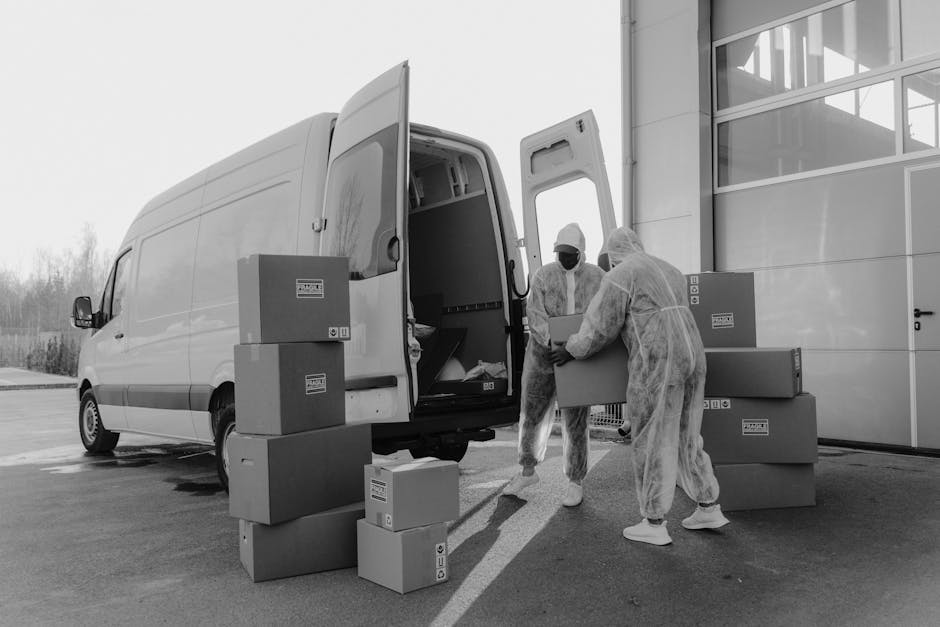
Last minute man and van Eastcote: how to secure a crew
If you need a last minute man and van Eastcote service, the pressure usually lands all at once: boxes half-packed, a sofa still in the hallway, keys due back, and that sinking feeling that everyone else has already booked their crew. Truth be told, same-day and next-day moves can be done smoothly, but only if you move quickly and ask the right questions. This guide explains how to secure a crew without panic, what to check before you book, and how to avoid the messy little mistakes that turn a rushed move into a costly one.
You will find a clear step-by-step approach, practical decision points, and a few local, real-world insights so you can make a good call even when the clock is against you.
Why last minute man and van Eastcote matters
A rushed move is rarely just about getting a van. It is about timing, access, loading help, and having enough hands on the day to keep everything safe. In Eastcote, that can matter even more than people expect. Narrow driveways, flat entrances, parking restrictions, shared access, and the usual London traffic all eat into the margin for error. If your mover arrives with too few people, even a small job can drag on for hours.
The phrase "secure a crew" is the key part here. When you are short on time, you are not only looking for a vehicle. You are trying to lock in availability, confirm the right number of movers, and make sure the team has the equipment for the job. A couple of extra trolleys, blankets, straps, and the right-sized vehicle can make the difference between a neat, contained move and a stressful one that spills into the evening.
There is also the trust factor. Last minute does not have to mean sloppy. A professional crew should still be able to confirm what they are bringing, how they will handle access, and whether they can support extra items such as beds, white goods, or fragile furniture. If you need help beyond a simple lift-and-load, it may be worth looking at broader removal services rather than a bare-bones van booking.
Expert summary: When a move is urgent, the biggest win is not just speed. It is matching the crew size, vehicle type, and route to the actual job so the day stays controlled, not chaotic.
How last minute man and van Eastcote works
At a practical level, a last minute booking works like any other removal booking, only faster. You contact the provider, share the basics, and they tell you whether they can dispatch a crew. The clearer your information, the quicker that answer comes back. If you are vague, you lose precious time, and the provider may have to guess. Not ideal.
Most crews will want to know a few essentials straight away:
- pickup and delivery postcodes
- what you are moving
- how many floors are involved
- whether there is lift access
- any bulky, fragile, or awkward items
- your preferred time window
- parking or loading restrictions
From there, the company decides whether it can send the right crew and van. If your move is small and straightforward, a standard man and van setup may be enough. If you have a larger household load, heavier furniture, or multiple collection points, a bigger team or a more specialised setup may be the safer choice. In some situations, a removal van or even a moving truck is the better fit, even when you are booking at the last minute.
A good crew will also be honest if they cannot do the job safely within your time frame. That honesty is a positive sign, not a rejection. Let's face it, a rushed yes that turns into a late arrival and damaged furniture is worse than a clear no.
Key benefits and practical advantages
The biggest benefit of securing a crew fast is obvious: you can get the move done without waiting days or weeks. But there are some less obvious advantages too.
- Reduced disruption: a swift booking helps you hand keys back, meet a landlord deadline, or clear a property on schedule.
- Lower stress: knowing the crew is fixed in place gives you one less thing to juggle.
- Better coordination: you can line up packing, parking, access, and arrival times around a confirmed slot.
- Safer lifting: a properly sized crew is less likely to rush, strain, or improvise with heavy items.
- More flexibility: urgent bookings often help with awkward timings, such as evening handovers or short-notice tenancy exits.
For many people, the most valuable thing is simply momentum. Once the crew is booked, everything else starts moving with it. Boxes get taped. Keys get sorted. The job becomes real. You stop circling the issue and start solving it. That matters more than people admit.
If you are moving a full home rather than a single room, it can be worth comparing home moves and house removals options to make sure the crew size matches the load. If you need help with a smaller flat or studio, flat removals may be the more realistic fit.
Who this is for and when it makes sense
This kind of urgent booking suits a wide range of people, but it is especially useful if your timeline has suddenly collapsed. Maybe the seller completed early. Maybe your tenancy ended sooner than expected. Maybe a colleague offered you a sofa, a desk, and a small mountain of "take it now or lose it" furniture. Happens all the time.
It tends to make sense for:
- tenants facing a same-day or next-day move-out
- homeowners dealing with completion delays or accelerated handovers
- students moving between accommodation at short notice
- office teams relocating a few essential items quickly
- people buying or collecting furniture on a tight schedule
- anyone needing a short-notice local clearance or transport job
For example, if you are a student leaving a shared house and your final inventory check is suddenly brought forward, a smaller crew may be enough. If you are moving a family home, on the other hand, the job is more complex and you may need a provider with broader removal companies experience rather than just a small courier-style lift.
There is also a middle ground. Some moves are not full removals, but they are too much for one person and a hatchback. That is exactly where a short-notice crew earns its keep.
Step-by-step guidance
If you want to secure a crew quickly, speed matters, but structure matters more. Use a calm process and you will make faster progress than the person phoning five companies with no notes in front of them. Here is the cleanest way to do it.
1. Write a one-minute move summary
Before you call, jot down the basics: what needs moving, where it is going, how much there is, and whether anything is awkward or fragile. Include access issues too. A front door on the ground floor is very different from a third-floor walk-up with no lift. The more precise you are, the faster a crew can confirm availability.
2. Decide whether you need a helper crew or a larger team
Do not assume "man and van" means one person and one vehicle. In many real-world jobs, the crew size changes depending on the load. If you have wardrobes, bulky sofas, a piano, or heavy office equipment, extra hands are not a luxury. They are part of the job working properly.
If your item list includes specialist pieces, it is worth checking related services such as piano removals or furniture removals. That does not mean you need a specialist move every time, but it helps you understand what a safe setup looks like.
3. Ask for the earliest realistic slot
With urgent jobs, the "earliest available" slot is often the best route. If you are flexible by even an hour or two, say so. Many crews can fit you in more easily if you can take an opening between jobs or accept a slightly earlier collection. Small flexibility, big payoff. Really.
4. Confirm what is included
Ask whether the crew will load, unload, dismantle basic furniture, protect items with blankets, or help with packing. A rushed booking can become frustrating if each side thinks something different is included. If you need help with boxes, compare it with packing and boxes support or packing and unpacking services.
5. Check access, parking, and building rules
Short notice or not, access is where many jobs slow down. Check whether the van can park close enough, whether there are time restrictions, and whether your building needs advance notice. In a busy area, a crew that has to circle the block looking for a space is already behind before the first box moves.
6. Get the payment terms clear before the team arrives
Ask how payment works, what method is accepted, and whether there are any rules for late changes or cancellations. A clear view of costs and payment protects everyone. If you want to understand the general approach first, review the company's pricing and quotes information and payment and security guidance before you commit.
7. Send photos if asked
Photos can speed things up a lot. A quick image of a staircase, a sofa, or stacked boxes gives the team a clearer picture than a long voice note. It saves time, and in an urgent booking time is basically money.
Expert tips for better results
In our experience, the best last minute bookings are not necessarily the ones that are cheapest. They are the ones where the client is clear, ready, and easy to confirm. That sounds simple, but there is a lot packed into it.
- Book the moment you know. Even a short delay can make a good slot disappear.
- Be honest about the volume. Understating the load almost always backfires.
- Bundle the job logically. If you have storage, a drop-off, and a second collection, say so early.
- Keep essentials separate. Put keys, chargers, documents, medications, and valuables in one bag you carry yourself.
- Use labels. A marker pen and a few neat labels save a lot of head-scratching later on.
- Leave a walkway. Clear stairs and hallways before the crew arrives. It speeds everything up and keeps the job safer.
A small real-world tip: if you have one awkward item, move it to the front door before the crew arrives, if safe to do so. That one tiny head start can shave off a surprisingly annoying chunk of time.
And if you are moving from a smaller property or a shared home, a service like student removals may be more suitable than a larger household setup. No need to overbuy the solution.
Common mistakes to avoid
Last minute bookings fail most often for very ordinary reasons. Nothing dramatic. Just avoidable slips that snowball.
- Only describing the move in vague terms. "A few things" does not help anyone.
- Forgetting about access problems. Tight stairs and parking restrictions matter more than people think.
- Assuming one person can safely handle everything. Heavy items need the right crew size.
- Leaving packing until the van is outside. That is a fast way to create delays and tension.
- Ignoring special items. A piano, antique cabinet, or oversized desk needs proper handling.
- Not checking the terms. Same-day jobs often have stricter timing expectations.
One especially common issue is underestimating the impact of clutter. A room that feels "almost packed" can still take ages to load if loose items are everywhere. A calm, boxed load is quicker, safer, and easier for the crew to stack properly. It really is worth the effort.
Tools, resources and recommendations
You do not need fancy gear to secure a crew quickly. A few simple tools and habits are enough.
- A notes app or checklist: for addresses, access details, and item counts.
- Phone camera: to share photos of bulky items, stairs, or parking constraints.
- Marker pens and labels: to keep boxes organised.
- Basic packing materials: tape, bubble wrap, bin bags, and sturdy boxes.
- Property documents: tenancy notes, handover times, or moving instructions.
If you are still deciding between a basic lift-and-load and a fuller move, the following pages may help you think it through in a practical way: man with a van, man with van, and removals. Those pages usually suit different job sizes, and knowing the difference can save a bit of stress.
If you need temporary holding space because completion times or keys are messy, it may also be worth looking at storage. That can buy breathing room when the moving chain is doing its usual little dance.
Law, compliance, standards, or best practice
For a last minute move, legal compliance is less about red tape and more about safe, lawful operation. A reputable provider should be clear about insurance, handling practices, and payment terms. If the team is moving items for you, they should understand safe lifting and loading practices, protect property where possible, and avoid creating unnecessary risk.
Best practice in the UK removals sector usually includes clear communication, sensible crew sizing, proper vehicle loading, and basic care around property access. That also means being upfront about limitations. A professional operator should say if a job is unsafe without extra help, rather than overpromising. That kind of honesty matters.
It is also wise to check a company's insurance and safety information before you book, especially when the move is urgent and there is less time for back-and-forth. Read the provider's insurance and safety information and, if needed, their health and safety policy. Those pages help set expectations around how the move is handled.
For other administrative concerns, such as service expectations, cancellations, or complaint handling, it can also help to understand the company's terms and conditions and complaints procedure. Nobody wants to use them, obviously, but it is better to know they exist.
Options, methods, or comparison table
Different urgent moves call for different approaches. Here is a simple comparison to help you decide what fits best.
| Option | Best for | Typical strengths | Watch-outs |
|---|---|---|---|
| Man and van | Small to medium moves, quick local jobs, furniture pick-ups | Flexible, fast to arrange, often ideal for short notice | May be too small for large house loads |
| Removal van | More items, larger furniture, fuller room or flat moves | Better load space, stronger fit for organised moves | Needs clearer planning if access is tight |
| Moving truck | Big household jobs, commercial loads, bulky furniture | More capacity, better for heavier or larger quantities | May be harder to park or manoeuvre in some streets |
| Full removals | Whole-home moves, complex access, multiple large items | More support, more structure, usually less stress | May cost more than a basic same-day lift |
If you are unsure, ask yourself one question: am I moving a few manageable items, or am I trying to shift an entire life in one go? The answer usually points you toward the right setup. Simple, but useful.
Case study or real-world example
A typical last minute Eastcote job might look like this: a tenant gets told on Tuesday afternoon that the inventory check is being brought forward to Wednesday morning. They have a bed frame, three medium boxes, a desk, and a couple of bags of household items. No dramatic saga. Just a very tight window.
The first move is to gather the details: floor level, parking space, item list, and whether the bed needs dismantling. The tenant sends a couple of photos of the desk and staircase, then confirms the time window. A small crew is assigned because the load is manageable, and the vehicle can park close to the entrance. The team arrives, loads efficiently, and the property is cleared without fuss.
Now compare that with a rushed booking that skips the detail. The crew arrives expecting a light load, but finds two wardrobes, a freezer, and no parking plan. Suddenly the job takes longer, the pressure rises, and everyone gets that slightly frazzled look you see around 4pm when a move has gone sideways. Not fun.
The lesson is straightforward: last minute does not mean careless. The best urgent moves are the ones where the customer gives enough detail for the crew to turn up prepared, even if the notice is short.
Practical checklist
Use this before you confirm the booking. It keeps things tidy.
- Write down both addresses clearly.
- List every large or awkward item.
- Check lift access, stairs, and parking.
- Take photos of bulky furniture if helpful.
- Confirm the number of movers needed.
- Ask what is included in the service.
- Check timing, arrival window, and expected duration.
- Confirm payment method and any minimum charges.
- Keep essentials, keys, and valuables with you.
- Clear hallways and doorways before the crew arrives.
A good last minute booking usually comes down to this checklist, honestly. It is not glamorous, but it works.
Get a free quote today and see how much you can save.
Conclusion
Securing a last minute man and van Eastcote crew is very doable when you keep the process simple: give clear details, be honest about the load, check access properly, and choose the right kind of service for the job. The move may feel urgent, but your decisions do not need to be messy. A calm, practical approach will usually get you a better result than panic ever will.
If you are moving under pressure, focus on the basics that truly matter: crew size, vehicle fit, timing, and safety. Get those right and the rest tends to settle. And if it still feels a bit overwhelming, that is normal. Most people only move like this a handful of times in their life, after all.
Once the crew is booked, the whole day becomes lighter. Not perfect, maybe, but lighter. And that counts for a lot.
Frequently Asked Questions
How do I secure a crew quickly for a last minute move in Eastcote?
Start with a clear summary of what you need moved, where it is going, and any access issues. The more specific you are, the faster a crew can confirm availability and send the right vehicle.
Can I book a man and van on the same day?
Yes, sometimes you can. Same-day bookings depend on crew availability, the size of the job, and how flexible you are with timing. Smaller, simpler moves are usually easier to fit in.
What information should I have ready before I call?
Have both addresses, the item list, number of floors, parking details, and any fragile or bulky items ready. Photos can help too, especially for awkward furniture.
Is a man and van enough for a full house move?
Sometimes, but not always. A small house or flat move may be fine with a compact crew, while larger loads usually need a bigger vehicle or a fuller removals setup.
How can I tell if I need extra movers?
If you have heavy furniture, stairs, long carrying distances, or multiple large items, extra movers are usually worth it. They make the job safer and usually quicker too.
What if I have storage involved as well?
Tell the provider early. A stop at storage changes the time, route, and loading plan, so it should be included in the booking details from the start.
Do last minute bookings cost more?
They can, depending on availability, timing, and the level of help needed. The safest approach is to request a clear quote and ask what is included before confirming.
What should I do if I only need help with furniture?
Say so clearly. A dedicated furniture job is often different from a full home move, and the right service can be more efficient for collecting or delivering specific items.
How do I avoid delays on moving day?
Pack early, clear access routes, check parking, and keep essentials separate. Delays usually come from small oversights rather than the move itself.
What should I check about safety and insurance?
Look for clear information on how items are handled, how loading is managed, and what the company says about insurance. It is sensible to read the provider's safety and terms pages before you book.
Can a crew help if I am moving from a flat or upper floor?
Yes, but make sure the crew knows about the stairs, lift access, and any tight corners. Flat moves often need better planning than people expect, even for short journeys.
What is the best next step if I am still unsure?
List your items, check the access details, and ask for the earliest realistic option. If your move is urgent, clarity beats guessing every time.