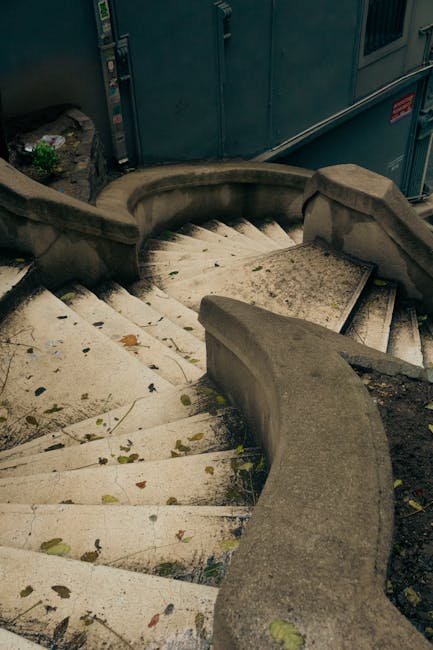
Removals for narrow stairs Pinner Road Eastcote: a practical guide for awkward access moves
If you are planning Removals for narrow stairs Pinner Road Eastcote, you already know the awkward bit is rarely the distance. It is the staircase. Tight turns, low headroom, banisters in the way, and that horrible moment when a sofa looks perfectly fine downstairs and suddenly becomes a geometry problem halfway up the landing. To be fair, it happens all the time.
This guide explains how narrow-stair removals are handled, what can go wrong, and how to make the move smoother without turning the day into a scramble. Whether you are moving from a flat, a maisonette, or a house with a tricky upper floor, the goal is simple: reduce risk, protect your belongings, and make the move feel manageable. You will also find a checklist, a comparison table, and a few useful internal resources to help you prepare properly.
Table of Contents
- Why narrow-stair removals matter
- How the process works
- Key benefits and practical advantages
- Who this is for and when it makes sense
- Step-by-step guidance
- Expert tips for better results
- Common mistakes to avoid
- Tools, resources and recommendations
- Law, compliance, standards, or best practice
- Options, methods, and comparison table
- Case study or real-world example
- Practical checklist
- Conclusion
- Frequently asked questions
Why Removals for narrow stairs Pinner Road Eastcote Matters
Narrow stairs change the whole character of a move. A bedroom chair that is easy to lift on a straight staircase can become a two-person negotiation on a tight turn. A bed frame can scrape walls. A wardrobe can catch on the bannister. A fridge can simply refuse to behave. These are not dramatic problems, just very normal ones.
That is why removals on narrow stairways need more than strength. They need planning, observation, and a bit of patience. In a local area like Eastcote, where homes can range from compact upper-floor flats to older properties with tighter internal access, it pays to treat access as part of the move itself, not an afterthought.
People often search for a removal firm only when they are already worried about getting a bulky item downstairs. But the real value comes earlier: measuring properly, spotting pinch points, deciding what should be dismantled, and making sure the route is safe before anyone starts lifting. If you want a broader look at moving support in the area, the services overview is a useful place to start.
And yes, the staircase matters more than people expect. Always.
How Removals for narrow stairs Pinner Road Eastcote Works
The process usually begins with access assessment. That means checking the staircase width, landing space, handrails, overhead clearance, and whether there are awkward corners or fragile fixtures. If the item is large, the team may also check whether it can be dismantled or protected before moving.
From there, the move is planned around the safest route. In some cases, that means extra wrapping and controlled lifting. In others, it means removing doors, taking furniture apart, or using a different lifting technique so the item can be manoeuvred without forcing it against walls.
Good removals teams do not rush this stage. They know that the quickest move on paper can become the slowest move in real life if the route is not right. You may notice they pause at the foot of the stairs, talk through the angle, and test the first turn before committing. That is not hesitation. That is competence.
For customers who prefer to prepare items in advance, it can help to use a packing workflow like the one described in package your items and wait for us to come. And if you want to avoid last-minute stress, the A-Z of packing is a solid pre-move read.
Key Benefits and Practical Advantages
Choosing a team that understands narrow-stair access brings several advantages. The obvious one is safety. The less obvious one is peace of mind, which is worth a lot on moving day when your kettle is somewhere in a box and the house already feels upside down.
- Lower risk of damage: careful handling helps protect walls, banisters, paintwork, and furniture edges.
- Better use of time: clear planning usually beats repeated attempts to force an item through a tight space.
- Less physical strain: trained lifting and team coordination reduce the chance of tired mistakes.
- More options for awkward furniture: items can often be dismantled, rotated, or protected more effectively.
- Smarter decisions on the day: if something will not safely fit, you can adapt the plan before an issue becomes a problem.
There is also a financial angle, even if it is not the first thing people think about. Preventing damage, avoiding failed attempts, and reducing delays often saves more than trying to "just get it done" in a hurry. If you want to understand how moving costs are typically approached, pricing and quotes is worth reviewing.
For larger or more fragile items, the benefit becomes even clearer. A narrow stair move is not the moment for guesswork.
Who This Is For and When It Makes Sense
This type of removal is especially useful for people moving from upper-floor flats, maisonettes, terraced houses with steep staircases, or older properties where internal access is tight. It also makes sense if you have large furniture that cannot be safely carried down in a normal straight line.
You may need this service if you are moving:
- a sofa that turns awkwardly on the landing
- a bed frame or mattress that barely clears the walls
- a wardrobe, chest of drawers, or desk with awkward dimensions
- a piano or other heavy specialist item
- boxes down a staircase that is too narrow for comfortable passing
It also makes sense for students and renters who are dealing with compact stairwells in shared properties. If that sounds familiar, student removals in Eastcote can be a practical fit, especially where access is a bit of a squeeze.
And if you are moving from a flat, you may find flat removals Eastcote more directly relevant to your situation.
Step-by-Step Guidance
Here is a straightforward way to prepare for a narrow-stair move without making it complicated.
- Measure the awkward points. Check the narrowest part of the stairs, the landing width, the ceiling height, and any turns.
- List the bulky items first. Do not start with boxes. Start with the things that could actually cause a blockage.
- Decide what should be dismantled. Beds, shelving, and some wardrobes are easier and safer in parts.
- Protect surfaces early. Put down coverings where scuffs are likely and keep wall contact to a minimum.
- Pack boxes so they are lift-friendly. Heavy boxes on narrow stairs are a bad idea. Really bad.
- Clear the route. Shoes, rugs, plant pots, and coat stands all become trip hazards when the lift is already tight.
- Plan where items will go at the destination. If a sofa needs to be turned at the top of the stairs, know that in advance.
A useful habit is to think in terms of sequence, not just storage. Which item goes first? Which item needs two people? Which item is safest to move before the hallway fills up? Those answers save time and prevent that awkward "wait, can we angle it the other way?" moment at the stairs.
For homes with a lot of furniture, it can help to pair planning with storage support. Storage Eastcote can be useful if an item is better held back for a second stage of the move.
Expert Tips for Better Results
A few small decisions make a surprisingly big difference on narrow stairs. First, light matters. If the stairwell is dim, add better lighting before the move begins. A shadow on the landing can make a turn feel smaller than it is, and nobody needs that.
Second, remove anything that adds unnecessary width. Door wedges, loose handles, detachable feet, and side shelves can all get in the way. Third, protect the item and the staircase separately. Wrapping the furniture is good. Protecting the wall edge is also good. Do both if you can.
In our experience, the best results come when people think one step ahead. If an item is awkward to carry upstairs, it will probably be awkward to carry downstairs too. That sounds obvious, but moving day has a way of making obvious things vanish from memory.
For heavy lifting in general, this guide on lifting heavy alone offers a sensible reminder of the risks. It is also worth reading the impact of kinetic lifting on work safety if you want a clearer idea of why technique matters.
If your move includes a sofa, this can help too: furniture removals Eastcote and, for bigger lounge items, expert storage tips for sofas.
Common Mistakes to Avoid
Most problems on narrow stairs come from a small number of predictable mistakes. The biggest one is under-measuring. "It should fit" is not a measurement, sadly. Neither is "we got it in last time." Properties change, furniture changes, and the route may not be the same.
Another common mistake is overloading boxes. A box that feels fine on a flat floor can become exhausting on a steep, narrow staircase. Keep books, crockery, and tools in smaller boxes where possible.
- forcing furniture around the turn instead of reassessing the angle
- forgetting to protect banisters and corners
- moving too quickly because helpers feel rushed
- not checking whether item legs, shelves, or doors can be removed
- leaving bags, shoes, and loose clutter on the stairs
A softer mistake, but still a mistake, is trying to do everything in one pass. Sometimes the best decision is to stop, adjust, and re-plan. That is not a failure. It is how awkward moves stay controlled.
If you are deciding between move types, the broader removal services Eastcote page and man with van Eastcote information can help you compare the level of support you need.
Tools, Resources and Recommendations
You do not need a warehouse of equipment to manage narrow stairs well, but the right tools matter. Furniture blankets, straps, corner protectors, gloves with a good grip, and the right trolley for the job are all helpful. A clean route and clear communication matter just as much.
For packing support, the most useful companion pages tend to be practical ones. packing and boxes Eastcote is a good starting point if you want to reduce the number of risky loose items. If the move needs to happen quickly, same-day removals Eastcote can be useful when availability is tight.
If timing matters more than speed, we will deliver at the best time for you is a good reminder that a well-timed move can feel far less stressful than a rushed one.
Here are the most practical resources to have ready:
- a tape measure
- masking tape for marking dimensions
- furniture wrap or thick blankets
- small boxes for heavy contents
- a clear mobile phone photo of the staircase and landings
That last one is underrated. A quick photo often tells a moving team more than a vague description ever could.
Law, Compliance, Standards, or Best Practice
For household removals, the main compliance concerns are usually safety, access, and the duty to avoid preventable damage. There is no special magic rule for a narrow staircase, but there are established best practices: proper manual handling, clear communication, sensible load sizes, and suitable protective equipment where needed.
In the UK, moving teams are expected to work in a way that reduces risk to people and property. That means planning lifts carefully, avoiding overexertion, and not proceeding with a move if the route creates an obvious hazard. The exact approach can vary depending on the property, the item, and the team involved.
If you are checking a provider's standards, it is sensible to review their insurance and safety information, plus their health and safety policy. Those pages tell you a lot about how seriously they treat the practical side of the job.
For anything involving larger specialist items, extra caution is wise. A piano, for example, is not something to treat casually on a narrow stairwell. That is exactly why dedicated piano removals Eastcote support exists.
And if you are trying to keep the move orderly from a legal and commercial point of view, it helps to read the terms and conditions and payment and security details before you book.
Options, Methods, or Comparison Table
Not every narrow-stair move needs the same approach. Some are simple, some are a bit fiddly, and some need specialist planning. Here is a quick comparison.
| Method | Best for | Pros | Watch out for |
|---|---|---|---|
| Standard carry with protection | Smaller furniture and light household goods | Quick, efficient, minimal dismantling | Not ideal if the stairwell is very tight or sharply turned |
| Dismantle and carry in parts | Beds, wardrobes, shelving, tables | Reduces width and awkward angles | Needs time, tools, and careful reassembly |
| Specialist handling | Pianos, large sofas, fragile statement pieces | Better control, more protection, less risk | Requires experience and may cost more |
| Mixed approach | Homes with several awkward items | Flexible and practical | Works best when the move is planned in detail beforehand |
If you are weighing up which type of help suits your move, you may also find man and a van Eastcote, man and van Eastcote, and removal van Eastcote useful as comparison points. Different homes need different levels of support, simple as that.
Case Study or Real-World Example
Picture a typical Eastcote move: a first-floor flat on a road near Pinner Road, narrow internal stairs, a sofa with chunky arms, a mattress that barely bends, and a wardrobe that has seen better days. Nothing unusual. The property is tidy, but the stairwell is just not generous. There is a banister on one side and a sharp turn halfway up.
In a situation like that, the best outcome usually comes from a calm sequence. First the route is cleared. Then the furniture is measured against the staircase. After that, the team decides what must be dismantled and what can stay intact. Often the sofa is wrapped before it is moved, and the wardrobe doors come off to reduce width. A couple of items are carried in a different order than expected, just to keep the landing usable.
The important bit is this: the move becomes manageable because the access issue is treated as the main issue, not a side note. That is the difference between "we'll just see" and a properly planned job. And honestly, "we'll just see" rarely ages well on moving day.
For example, if you are moving from a compact property, you might benefit from reading small flat removals and access limits and access and delay considerations near Eastcote Tube Station. They are not about narrow stairs alone, but they do show how access details change the whole move.
If there are permit or timing questions around the property, removal permits in Eastcote can be useful background reading, especially if parking or loading time is tight.
Practical Checklist
Use this as a quick pre-move check. It saves a lot of back-and-forth later.
- Measure staircase width, landings, and tight turns
- Identify items that may need dismantling
- Clear the stair route of clutter and loose mats
- Protect corners, walls, and banisters
- Pack heavy items into smaller boxes
- Set aside tools for flat-pack furniture and reassembly
- Keep pets and children away from the work area
- Confirm where the largest items will be placed at the destination
- Have water available for the team on warmer days
- Check timing, parking, and access details before the move starts
One more thing: if you are still in the planning stage and want to talk through your layout, you can always contact the team. A quick conversation can clear up more than an hour of second-guessing.
Get a free quote today and see how much you can save.
Conclusion
Removals with narrow stairs are rarely about brute force. They are about judgement, preparation, and knowing when to change the approach. If your property on or near Pinner Road in Eastcote has a tight stairwell, you are not alone, and you do not need to treat that as a disaster. It is just a practical challenge, and practical challenges can be handled properly.
The best moves feel controlled from the start. The route is measured, the heavy pieces are planned, the awkward items are handled with care, and nobody ends the day with scuffed walls and a sore back. That is the standard worth aiming for.
And when the last box is down, the stairs are clear, and the place goes quiet again, it feels better than expected. A bit like getting your space back, one careful lift at a time.
Frequently Asked Questions
Can large furniture be moved safely down narrow stairs?
Yes, often it can, but it depends on the item size, the angle of the stairs, and whether the furniture can be dismantled. A proper access check makes the decision much easier.
What should I measure before booking a narrow-stair removal?
Measure the staircase width, the narrowest turn, the landing space, and the height at any low points. Photos are also very helpful, especially if the staircase has an unusual shape.
Is it better to dismantle furniture first?
Usually, yes, if dismantling reduces the risk of scraping walls or getting stuck on a turn. Beds, wardrobes, and shelving are common candidates.
Do narrow stairs make a move more expensive?
They can, depending on the time, labour, and specialist handling needed. The only honest answer is that it varies with the access and the items being moved.
What kind of items are hardest to move on tight stairs?
Large sofas, mattresses, wardrobes, pianos, and bulky appliances are usually the most awkward. Anything wide, heavy, or awkwardly balanced needs extra care.
How can I make moving day easier on a narrow staircase?
Clear the route, pack heavy items into smaller boxes, remove anything that can snag, and give the moving team clear access. A little prep goes a long way.
Should I use a man and van service or a full removal team?
That depends on how many items you have and how difficult the staircase is. For compact moves, a smaller service may be enough. For complex access or larger furniture, a fuller team can be the safer option.
Can a removal team help with fragile items on stairs?
Yes, if they use proper wrapping, careful handling, and a sensible lifting plan. Fragile items need controlled movement, not speed.
What if my sofa or wardrobe does not fit upstairs?
Then the team may need to dismantle it, adjust the route, or rethink the move plan. If it still will not fit safely, alternative arrangements may be needed.
Do I need special insurance for a difficult stair move?
Most customers simply need to check that the removals provider has suitable cover and safety procedures. Reviewing insurance and safety information is a sensible step.
Can I get same-day help for a narrow-stair move?
Sometimes, yes, depending on availability and the size of the job. If the move is urgent, it is worth checking early rather than leaving it until the day itself.
What is the safest way to prepare boxes for stairs?
Use smaller boxes for heavy items, keep the weight balanced, and avoid overfilling. On narrow stairs, light control beats brute strength every time.
Where can I find more support for an Eastcote move?
Useful pages include removals Eastcote, house removals Eastcote, and removal companies Eastcote. They can help you compare your options and decide what level of support fits best.